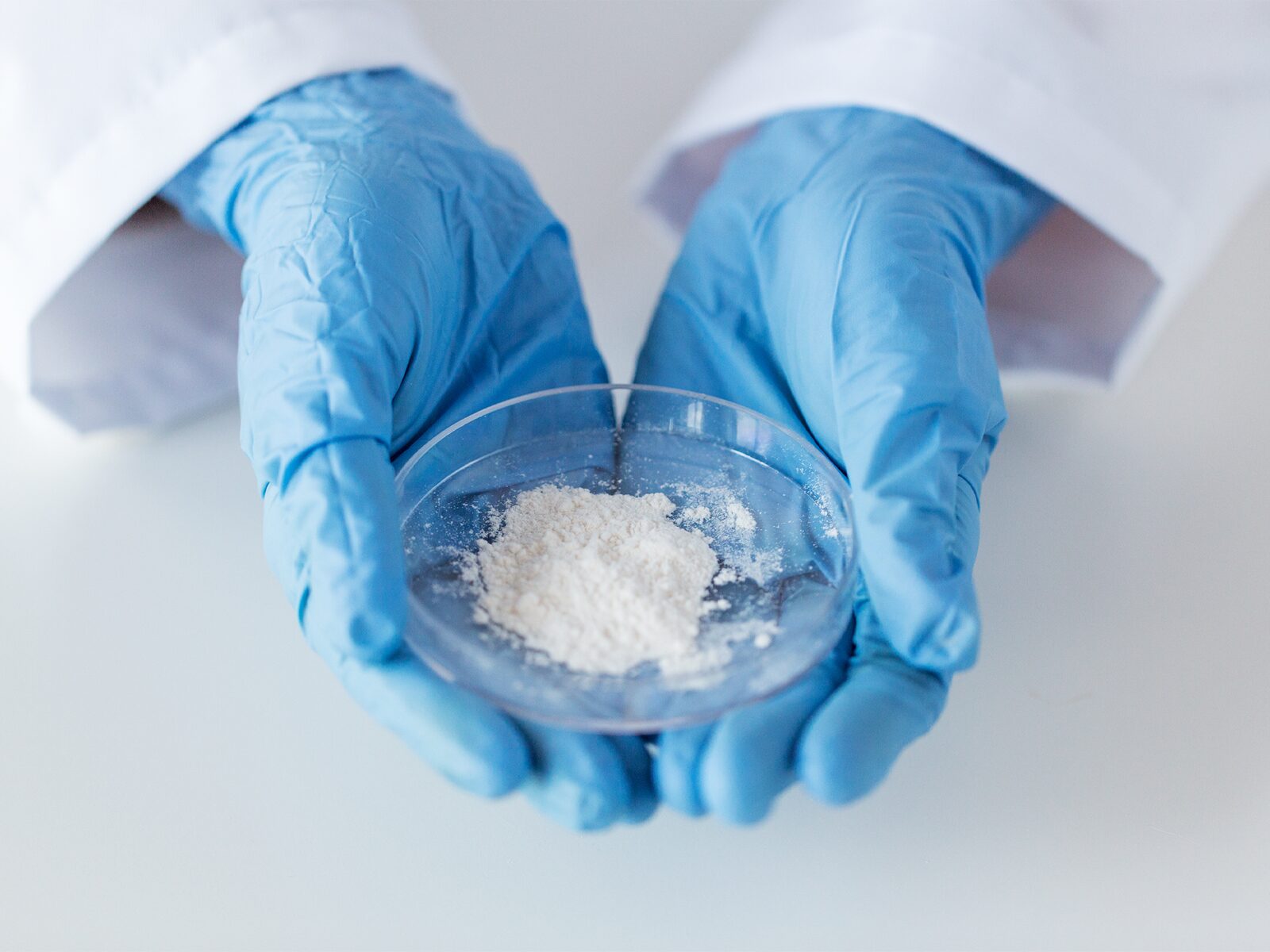
Fenbendazole quality is essential for ensuring purity, consistency and reliable research outcomes. High fenbendazole quality ensures accurate testing and reliable scientific analysis. Ensuring the quality and purity of fenbendazole requires advanced laboratory techniques. Two of the most important methods are:
 “fenbendazole quality and manufacturing process”: https://fenbendazoleverified.shop/fenbendazole-quality/
“research databases”: Pubmed
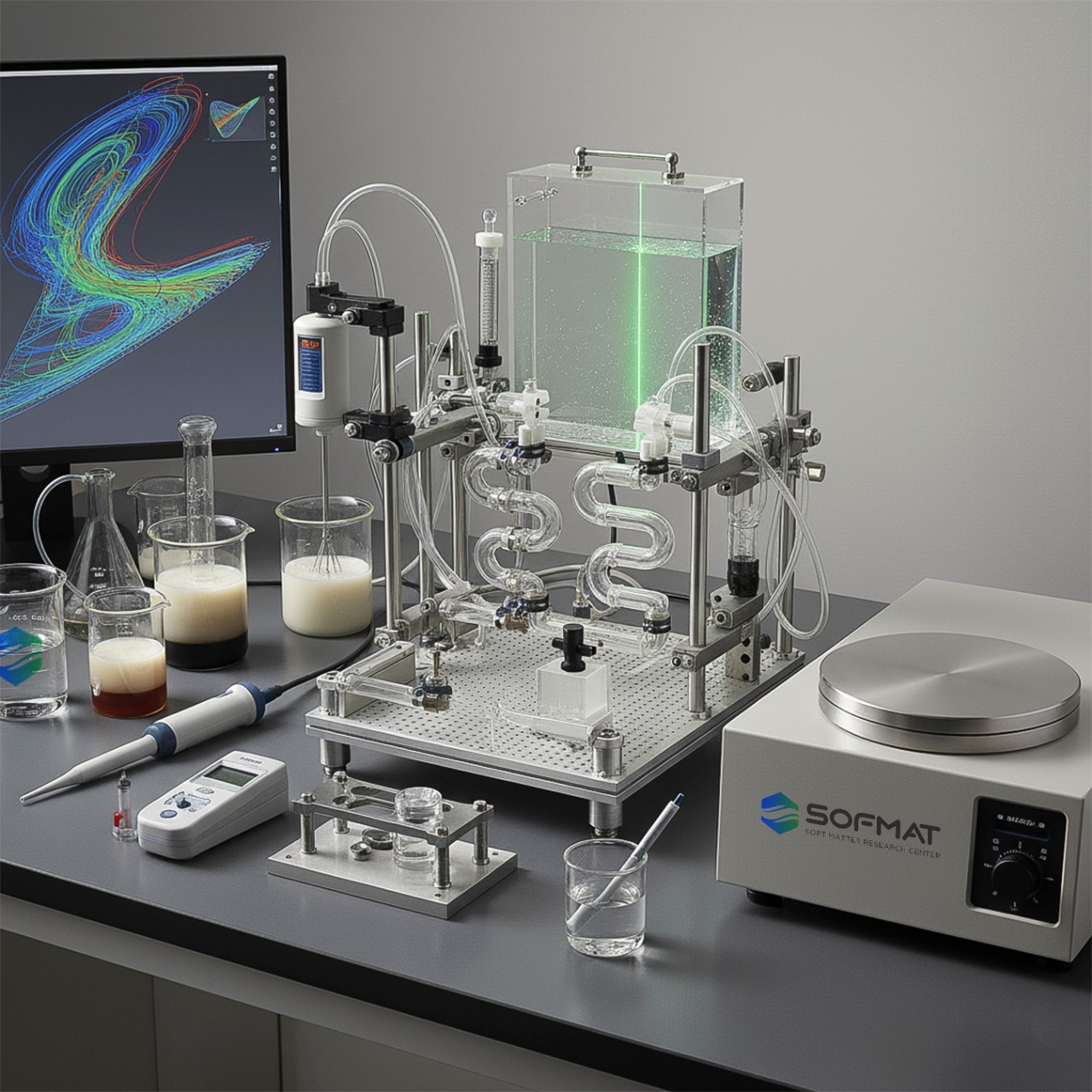


Modern manufacturing processes focus on:
- Controlled synthesis
- Purity validation
- Batch consistency
Advanced techniques ensure that fenbendazole maintains its chemical properties without degradation or contamination.
For a detailed breakdown of quality standards and manufacturing processes, visit: https://fenbendazoleverified.shop/fenbendazole-quality/
What is fenbendazole used for?
Fenbendazole is primarily used in veterinary medicine to treat parasitic infections, while also being studied in laboratory research.
How is fenbendazole quality tested?
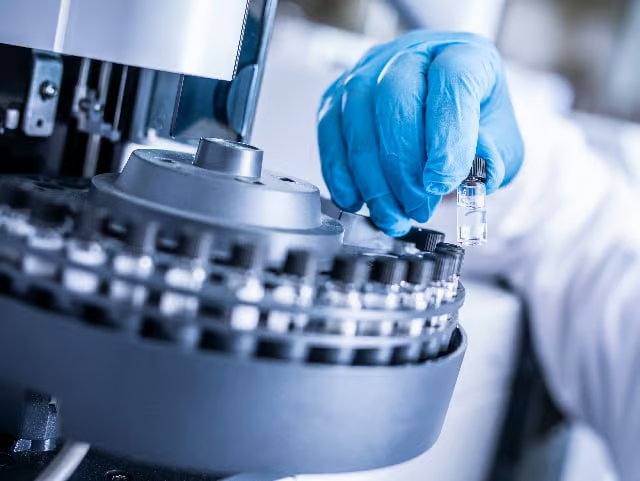
Quality is verified using advanced techniques such as FTIR spectroscopy and HPLC analysis to ensure purity and structural accuracy.
Why are FTIR and HPLC important?
These methods provide precise identification and measurement, ensuring the compound meets scientific and laboratory standards.
 How is fenbendazole tested? : “fenbendazole testing standards”

Fenbendazole is a scientifically significant compound with established use in veterinary medicine and growing interest in research. Its quality and reliability depend on advanced testing methods such as FTIR and HPLC, which ensure purity, consistency, and structural accuracy.
As research continues, understanding these analytical processes becomes essential for evaluating the integrity and performance of fenbendazole in laboratory environments.
“learn more about fenbendazole quality”: https://fenbendazoleverified.shop/fenbendazole-quality/